2026-09-04 · Mike Donovan
Winter Rain And Basement Seepage Checks In Seattle Homes
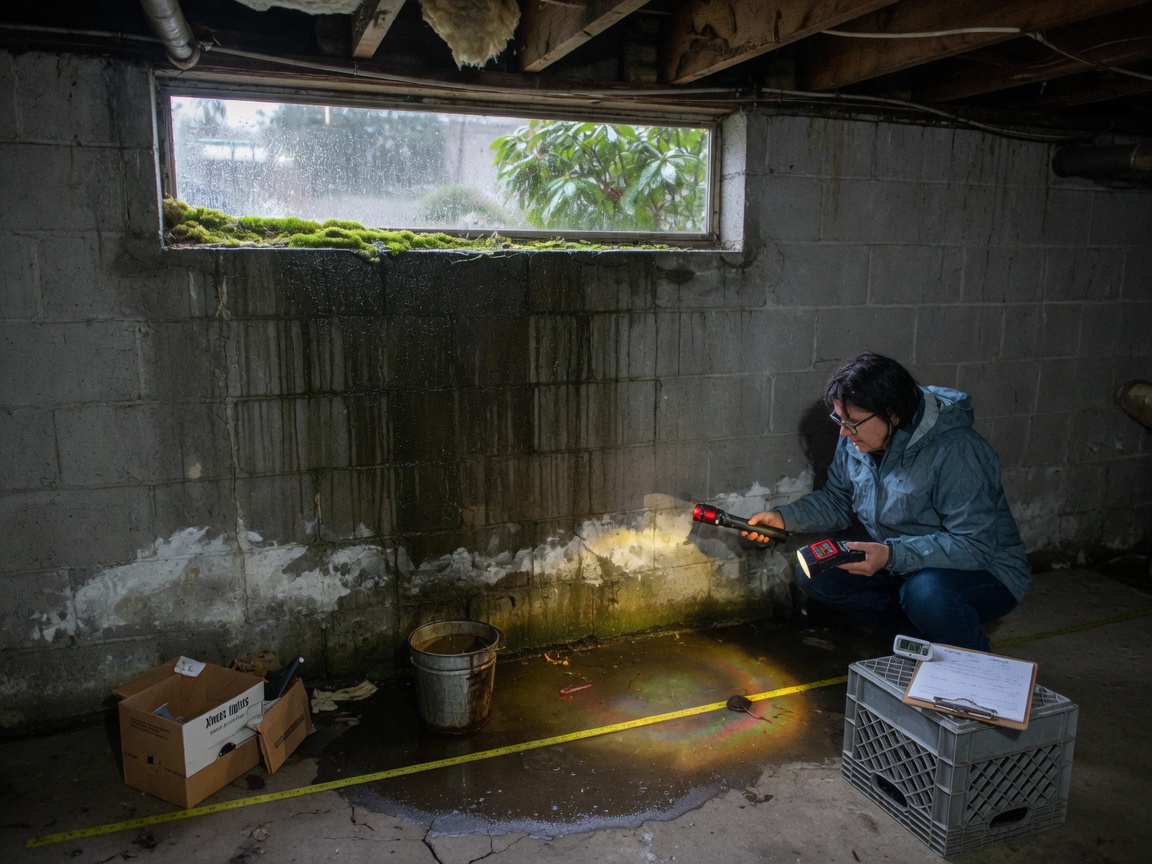
Seattle homes see basement seepage during winter rains because the region's frequent overcast skies and steady precipitation push water against foundations in older housing stock built before modern drainage standards. In neighborhoods such as Capitol Hill and Queen Anne, where many properties date to the early 1900s, clay-heavy soils and shallow lots direct runoff straight toward basements rather than away from them. Homeowners should inspect for damp spots on concrete walls and musty odors near floor drains at least once a month from October through March, when cumulative rainfall exceeds 20 inches in a typical season.
Seattle Winter Rain Patterns and Basement Impact
Mild wet winters bring repeated light to moderate rain that saturates the ground without rapid drying, unlike the dry summers that follow. This pattern keeps soil moisture high around foundations in Ballard and Fremont, where many homes sit on slopes that funnel water downhill. In contrast to drier inland spots like Bellevue or Kirkland, Seattle's overcast conditions limit evaporation, so even moderate storms can raise the water table enough to force seepage through hairline cracks. Owners notice the difference most in University District and Belltown properties with below-grade living spaces, where water enters at the wall-floor joint first. Checking after each multi-day rain event reveals whether existing French drains or sump pumps are keeping up with the load.
Checking for Seepage in Common Seattle Home Types
Queen Anne and Capitol Hill houses often feature full basements with brick or early concrete foundations that develop fine cracks over decades. Start at the lowest corners and run a hand along walls to feel for cool, damp patches that indicate active moisture. In West Seattle and Discovery Park-adjacent homes built on glacial till, check where the floor meets the wall for white mineral deposits left by evaporating water. Use a moisture meter on wooden beams and baseboards to record readings above 15 percent, which signals hidden seepage even when surfaces look dry. Fremont and Ballard bungalows with partial basements require extra attention to window wells, where leaves and debris from nearby parks block drainage and concentrate water against the foundation during prolonged wet spells.
Practical Steps for Ongoing Basement Monitoring
Create a simple log noting date, rainfall amount from local reports, and any new stains or odors after each storm. Test floor drains by pouring a bucket of water to confirm they clear within seconds rather than backing up. In older University District rentals, lift area rugs monthly to inspect for darkened concrete that shows repeated wetting. If seepage appears along more than one wall or near electrical outlets, document the locations with photos before deciding on next steps. These checks tie directly into water damage repair when moisture reaches finished surfaces and into water damage restoration when drywall or insulation becomes saturated.
When Professional Assessment Becomes Necessary
Persistent dampness after three consecutive dry days or visible mold growth calls for outside evaluation rather than repeated homeowner checks. Homes near the Space Needle or Seattle Center often share sewer lines that can surcharge during heavy rain, sending water back through basement drains. For properties in nearby Tacoma or across the water in areas served from the same regional systems, similar winter patterns apply. Readers who find recurring issues after roof work may also review How To Spot Hidden Leaks After Roof Work In Capitol Hill Houses. When permits are required for any interior fixes, the steps outlined in City Permit Steps For Interior Water Repairs In Seattle provide the local process.