2026-09-04 · Mike Donovan
How To Spot Hidden Leaks After Roof Work In Capitol Hill Houses
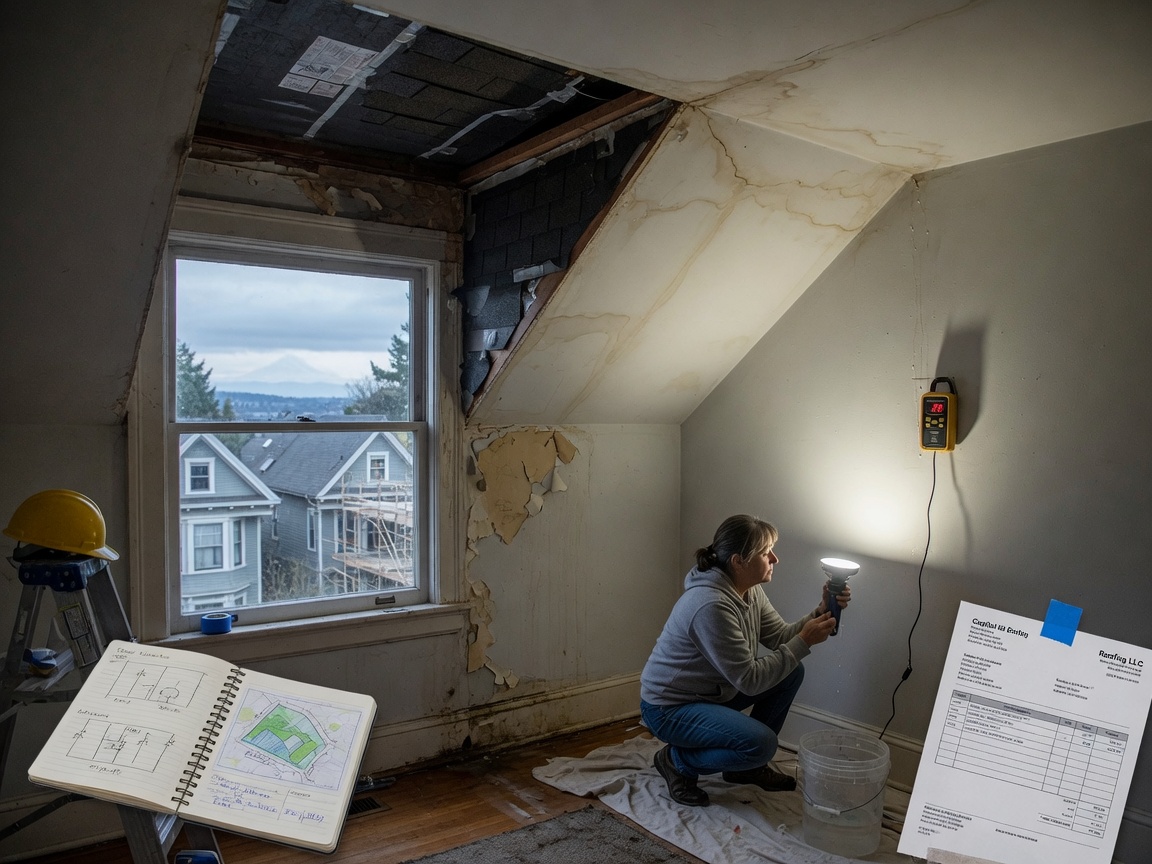
After roof work on Capitol Hill houses, hidden leaks typically appear within the first two to four weeks during Seattle's wet winters when rainfall exceeds two inches in a single event. Check attics for new dark stains on rafters or insulation, especially near valleys and flashing where roofers worked. Water travels along joists in these 1910s-1940s homes before showing on ceilings below, so inspect during daylight with a flashlight for damp spots or mold starting at 1/4-inch size.
Examining Attic Insulation and Rafters
Capitol Hill homes built before 1950 often have knob-and-tube wiring and original rafters spaced 16 to 24 inches apart, which lets water from roof seams run long distances before dripping. After roof work, climb into the attic on a dry day and look for darkened fiberglass batts or cellulose clumps that feel cool to the touch. Trace any moisture lines back to the roof deck edges near the Space Needle view corridors where wind-driven rain from the west hits hardest. If insulation shows compression or discoloration along a 3-foot section, mark it and monitor after the next rain. These older structures lack modern vapor barriers, so even small leaks from new flashing can saturate 6 inches of material within days. Pair this inspection with checks in nearby Fremont or Ballard homes that share the same construction era for pattern recognition.
Inspecting Interior Ceilings and Walls
Water from post-roof leaks moves through plaster and lath in Capitol Hill Victorians, creating hairline cracks or bubbling paint within 10 to 14 days. Run your hand along bedroom and hallway ceilings directly under roof valleys for cool, soft spots that indicate saturation. In kitchens and bathrooms, check where crown molding meets the ceiling for new gaps or discoloration because roof runoff often follows interior walls in these narrow lots. Seattle's mild winters keep temperatures above freezing, allowing leaks to persist without ice dams but creating steady drip patterns at 1-2 drops per minute. Note any musty odor in closed rooms that signals hidden moisture behind drywall. For persistent issues after these checks, review the steps in Winter Rain And Basement Seepage Checks In Seattle Homes to extend the search downward.
Testing Around Windows and Skylights
Roof work near skylights or dormers in Capitol Hill houses frequently disturbs step flashing, allowing water to enter at window headers. After rain, open curtains and examine sills for water lines or warped wood frames on the north-facing sides that receive the most overcast drizzle. Use a moisture meter on drywall returns if readings exceed 15 percent, especially in University District rentals converted from single-family stock. These homes sit on sloped terrain that funnels runoff toward foundations, so leaks can combine with ground moisture from King County clay soils. Test by placing a dry paper towel on the sill overnight during a forecasted storm and checking for dampness the next morning. This method catches slow seepage that only appears after roofers have left the site.
Monitoring for Mold and Odor Changes
Hidden leaks in Capitol Hill attics often produce black mold spots within three weeks when relative humidity stays above 60 percent during Seattle's dry summers following wet periods. Walk through each floor and note any shift in smell near closets or under stairs where roof leaks travel along ductwork. In Belltown-adjacent properties with shared walls, check for stains on party walls that indicate water crossing from roof repairs. Measure affected areas in square feet rather than guessing, as 4 square feet of wet drywall requires professional drying to prevent structural rot in these century-old frames. Early detection here prevents escalation to full water damage restoration later.
When to Call for Professional Assessment
If stains or moisture readings appear after roof work, contact a team familiar with Capitol Hill's housing stock for targeted water damage repair. Technicians at 1410 Elliott Ave W can access tight attic spaces common in these neighborhoods without disturbing original plaster. They track leaks using infrared scans suited to Seattle's frequent overcast skies that limit natural light inspections. This approach addresses entry points near Pike Place Market rooftops where wind patterns differ from flatland areas like Bellevue. Schedule during business hours to align with typical post-storm response times in King County.