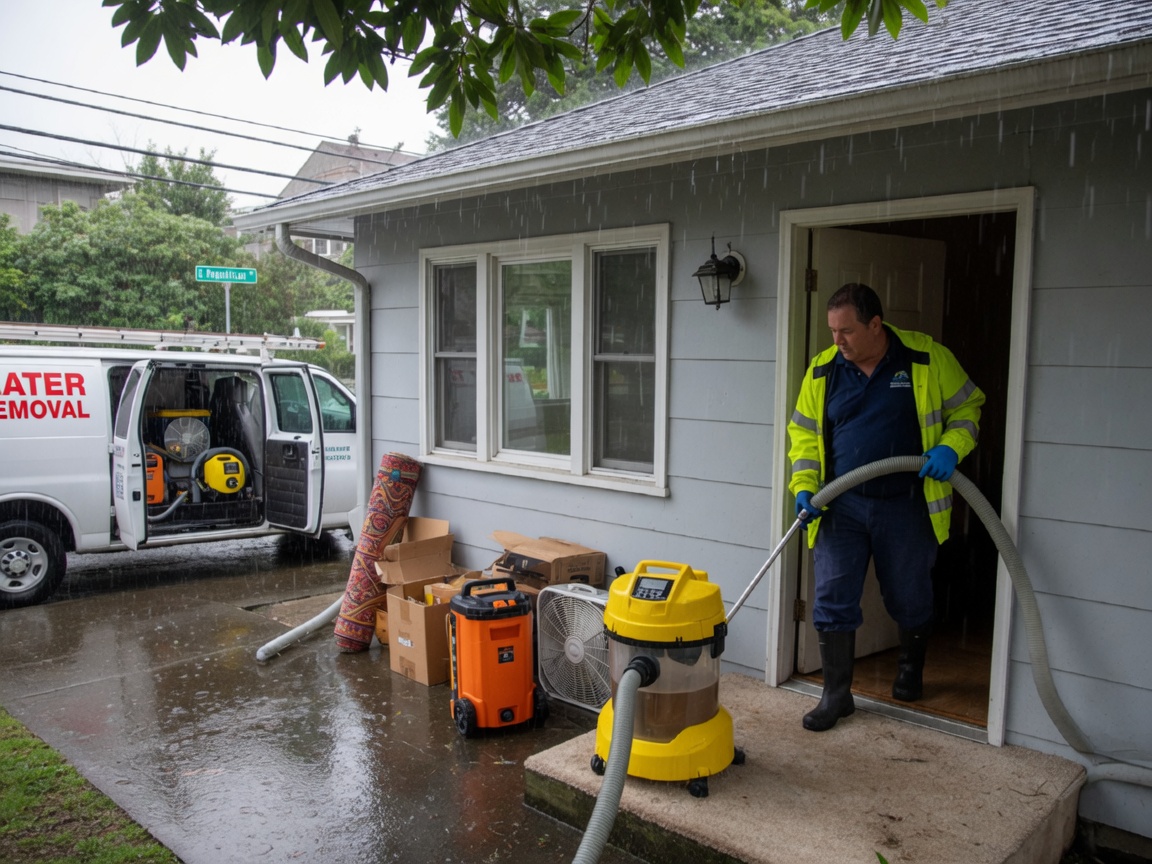
Seattle's older housing stock in neighborhoods such as Queen Anne, Ballard and Capitol Hill often features crawl spaces and basements built before modern drainage codes. During the region's mild wet winters these lower levels collect water from poor grading, overflowing gutters and saturated soil near the Sound. Extraction crews must move quickly because the frequent overcast keeps humidity high and slows natural evaporation, raising the risk of hidden mold behind plaster or under hardwood.
Water removal jobs in University District apartments and West Seattle single-family homes frequently involve Category 2 gray water from washing machines or roof leaks. Technicians use truck-mounted pumps and moisture meters to pull standing water before it migrates into shared walls or electrical chases. In Belltown high-rises the same work requires coordination with building management because water can travel several floors through concrete slabs before it surfaces.
King County properties near Discovery Park or Fremont face additional challenges from seasonal runoff that overwhelms older storm drains. Crews often combine subfloor drying mats with air movers placed to avoid disturbing original fir floors common in these homes. The goal is always to reach acceptable moisture readings before the dry summer months return and mask remaining damp spots that later cause cupping or musty odors.
Technician insight
In Seattle the thing that catches most people out with water removal is how quickly moisture travels through the lathe-and-plaster walls of 1920s Queen Anne and Ballard homes once winter rain starts. Homeowners often stop at the visible puddle and miss the water that has already wicked up into the floor joists; by the time they call, the job has doubled because the dry summer months never arrive to help.
Queen Anne Basement After Heavy Rain
Water entered a 1918 Queen Anne basement through an old coal chute during three days of steady rain. Extraction crews found six inches of water sitting against the foundation wall and already wicking into the fir subfloor. Portable pumps and drying mats were run for four days until moisture readings dropped below 12 percent; the homeowner avoided mold growth that would have required cutting into finished walls.
Water Removal Services Services We Offer
✓Emergency Water Extraction
Rapid removal of standing water from kitchens, bathrooms and living areas after sudden leaks or pipe bursts common in Seattle's older plumbing.
✓Basement Water Removal
Pumping and drying of flooded basements in Capitol Hill and Queen Anne homes where poor drainage and heavy winter rain combine.
✓Crawl Space Drying
Extraction and dehumidification of damp crawl spaces beneath Ballard and Fremont houses to stop moisture from rising into living areas.
✓Appliance Leak Cleanup
Targeted water removal behind refrigerators, dishwashers and washing machines that leak in University District apartments and West Seattle homes.
✓Storm Water Extraction
Clearing rainwater that enters through windows or roofs during Seattle's frequent winter storms, especially in exposed Belltown and waterfront properties.
Water Removal Services Cost in Seattle, WA
| Service | Typical Range | What Affects It |
|---|---|---|
| Initial water extraction visit | $350–$650 | Higher in multi-story homes or when access is limited by narrow Capitol Hill alleys. |
| Daily drying equipment | $150–$300 per day | Varies with number of air movers and dehumidifiers needed in older Ballard basements. |
| Crawl space water removal | $400–$800 | Increases when standing water sits under insulation or near electrical lines. |
Ranges are typical for Seattle, WA and confirmed with an exact written quote before any work starts.
How it works
- 1
On-Site Assessment
Technicians arrive from the Elliott Ave base and map moisture with meters while noting affected materials in the specific Seattle neighborhood.
- 2
Water Extraction
Truck-mounted pumps and portable extractors remove standing water before it spreads into subfloors or shared walls.
- 3
Drying Setup
Air movers and dehumidifiers are positioned to reach hidden cavities while protecting original fir floors and plaster common in King County homes.
- 4
Moisture Verification
Daily readings confirm materials have returned to acceptable levels before equipment is removed.
Pricing
Pricing depends on water volume, affected square footage and how many days drying equipment must run.