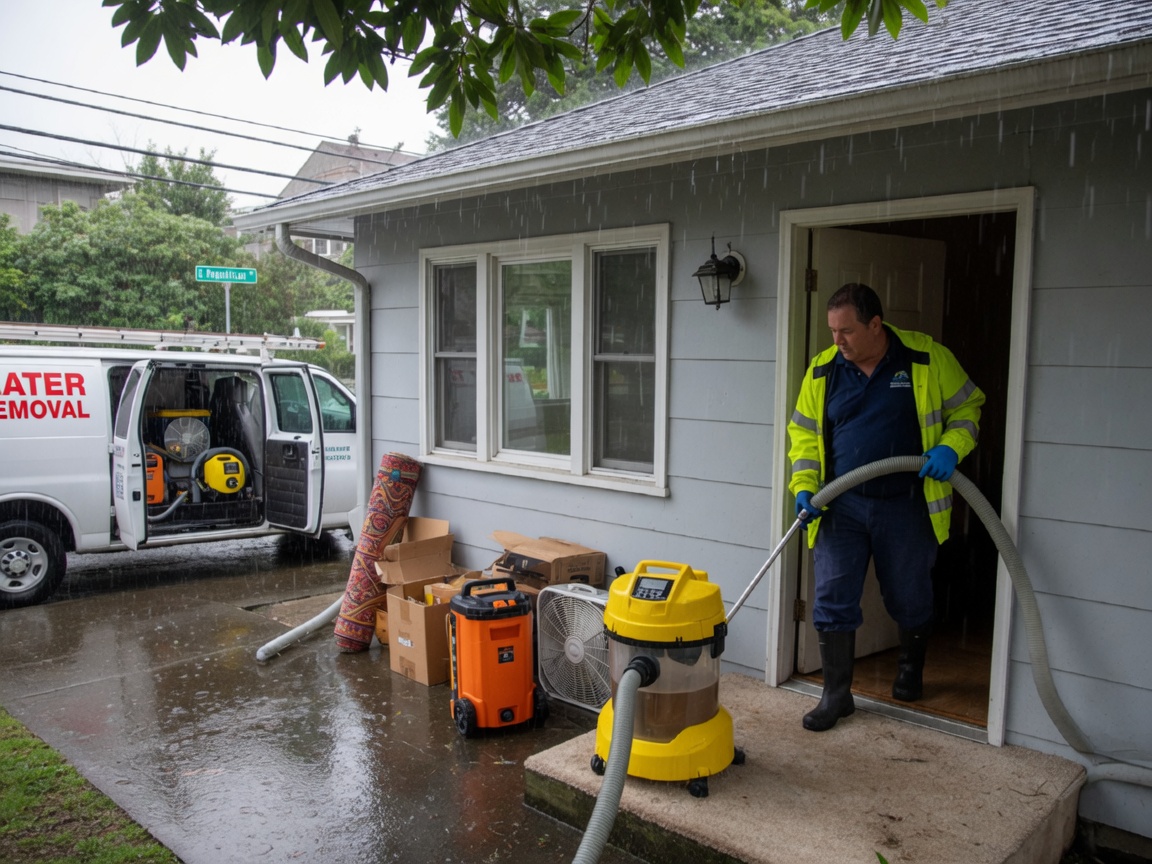
Water damage repair crews from 1410 Elliott Ave W reach Suquamish homes by ferry or drive around the Sound. Older single-story houses on small waterfront lots near Agate Passage often see water enter through crawl spaces during the mild wet winters. Technicians map moisture in cedar siding and pier foundations, then set drying equipment that fits narrow driveways and limited parking near the reservation boundary.
Summer jobs focus on irrigation leaks or roof runoff around the Port Madison area where clay soils hold water against foundations. The team works around ferry schedules from Seattle so equipment arrives without delays. Extraction and drying plans account for septic systems common on these lots so pumps and dehumidifiers do not interfere with drain fields.
Service calls cover both year-round residents and weekend properties near the Suquamish Clearwater Casino. Crews document hidden damage behind tongue-and-groove paneling typical in mid-century homes before starting demolition and rebuild steps.
Around Suquamish
We regularly work near:
- 📍Old Man House Park
- 📍Suquamish Museum
- 📍Chief Seattle's Grave
- 📍Port Madison
- 📍Agate Passage
Water Damage Repair in Suquamish — Local Notes
- •Waterfront homes along the Port Madison shoreline sit on narrow lots with limited equipment staging space, so crews often use smaller portable extractors and staged drying over multiple visits.
- •Winter rains combined with high tides push water under older pier-and-beam foundations common in Suquamish, requiring moisture readings at multiple soil depths before final clearance.
- •Ferry travel from the Seattle base means crews coordinate arrival windows around boat schedules, especially when hauling large dehumidifiers or air movers for larger jobs.
- •Many Suquamish properties rely on septic systems rather than city sewers, so drying plans route hoses and pumps away from drain fields to avoid contamination during extraction.